


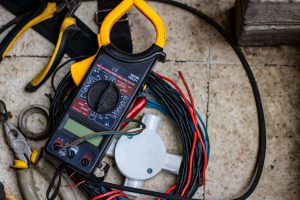
 A lot has changed with the way homes are built and wired. Some decades ago a physical key and a lock was the only way you could go in and out of your home but today we have digital locks and virtual keys. Those who never thought of such possibilities for the future might have had a hard time incorporating changes like this in their home. Hence, as your go-to for all things electrical, we will discuss how to wire your house for the future.
First, it is important to know that wiring your home for the future is a project that requires an expert electrician. It may seem demanding at the time, but you will reap the benefits in a few years or even months.
Future home wiring involves creating a system that allows you to combine the different wiring around the home into a network. It is built to enable the integration of various smart systems and sensors in the home now or at a later date. It also ensures that you can conveniently add more systems such as lighting, security, and internet communication systems for your comfort. When you think about it, wiring the home for the future is something everyone should do.
Learn the basics.
When wiring your home for the future, there are a number of systems that will control various functions across your property. These include:
- Audio and video
- Security
- Heating and cooling
- Computer and Internet
- Telephone
- Smoke detection
- Irrigation
These systems must be wired to a central location in the house. You must choose the control area wisely with the help of the electrician. The control area should possess the following features:
- A moderate room temperature
- Enough physical space for a wall panel and equipment rack
- Easy access, dust-free location
- Close to the area where service feeds like the Internet enters the home
- Lots of outlets
Components for the wiring
- Infrared (IR) controls
Infrared is the technology that represents remote control features. Several current homes and those of the future require remotes to control some installed automated systems. IR controls are used to make this possible. - Category 5e and Category 6 (CAT-5e AND CAT-6) cables
These cables are Ethernet cables that future-proof your house for years to come. They connect computers and all computer-based systems to a network. - Patch cables and Patch panel
Patch cables are used to connect devices to each other. They are used with a Patch panel to link all smart home devices. The Patch panel is like an organizer that houses plugged in electrical components and helps to distribute signals.
Wiring
Ensure your electrician runs three wires to each switch in the home- hot, neutral, and load wires. Although some electricians do this, it is important to state your preference to be sure you have a neutral wire for future home automation installations.
Next is the use of deep junction boxes. Deep junction boxes give you room to work and accommodate new systems. It is worth the peace of mind when you need to install in-wall devices.
Install cable conduits and terminate them into junction boxes. Cover these boxes with a faceplate if there is no urgent use for them. Make sure you have one in each room located at eye level. It is much easier to make this addition during construction than later when it is needed.
Include wiring in the ceiling or in the wall for speakers. This comes in handy when you need a speaker or audio system across rooms. Other variables for this wiring project like size, number, and type of wires can be discussed with your electrician.
If you want to get your home future-ready, give The Electric Connection a call today!
 Regardless of your socio-economic class, every one of us could benefit from a little frugality in our lives. If you keep track of your spending and compare the figures over a long time, you find that you spend more on certain things you believed were cheap. In fact, according to the energy department, a regular family spends an average of $2,200 on utilities alone within a year.
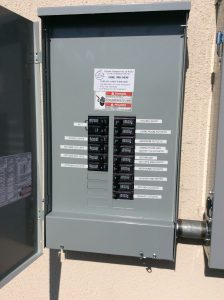 Knowing the size of your main electrical panel informs you of how many appliances you can run. It helps to determine if your panel can supply the electrical power you need after a renovation or room expansion. It also helps you decide if an upgrade is necessary.
  Reviews are the lifeblood of any business and they won’t be going away anytime soon. They influence your brand reputation and can determine your business success. As a skilled tradesman, gathering as many positive reviews as possible is an essential success strategy. Many electrical companies do not recognize this and so do not take the necessary steps towards obtaining customer reviews.
  Home wiring is something many homeowners often forget to consider with other home maintenance issues. This is not strange because home electrical wiring is usually tucked away behind the walls. Hence, as long as your outlets work and the lights come on, you won’t be thinking about the wiring behind it all.
 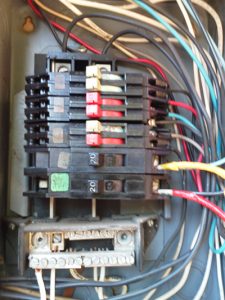 Electrical panels service homes and buildings by providing and controlling power. It is vital that such an important electrical appliance is safe and dependable. When this is not the case, homes and buildings can run into several electrical based problems that range from inefficient electricity supply to fires, electric shocks, and more.
  Chandeliers are valuable lights admired for the elegance and lighting quality they bring to a room. Any chandelier can add glamour and beauty to a home or even a commercial building. They come in various sizes, shapes, and designs. Some people believe that chandeliers are for high ceilings and dining rooms. A chandelier is actually quite versatile as it can be used in any part of the home and with both low and high ceilings.
 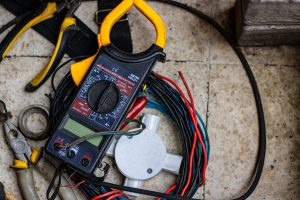 Rewiring is one of the most difficult, messy, and disruptive maintenance projects you can perform in the home. It is equally time-consuming and costly but very necessary. The lifespan of the electrical installation in a home is usually 25 years. However, this duration can vary depending on use. The electrical system will have to be inspected every 10 years if it is in a privately owned property or every 5 years for a rented property. This inspection guarantees electrical safety.
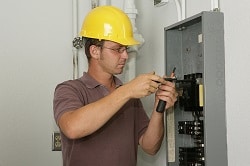 The words ‘electrical contractor and electrician’ are often used interchangeably. Many people do not know the difference between both but assume they mean the same thing. In this article, we will discuss what an electrical contractor does and how they are different from an electrician.
  We often see light fixture installations as the easiest tasks of an electrician. Hence, most people try to do them without professional help. A light fixture is described as an electrical device containing an electric lamp. They usually come with an installed switch for users to control the light. For light fixtures to work, they must be connected to a power source. Common examples are your ceiling lights, chandelier, outdoor lights and so on.