

 Having an electric car is great and very much a trendy decision. When you have the EV of your choice parked in your garage, the most important question that follows is what size breaker does a Tesla need. Your electric car may save on fuel but it needs electric power to work, and this starts with a suitable breaker size.
The most efficient charging option is a level two charge and this usually requires up to 50 amps circuit. Your electrician can provide an estimate for installing this, but there’s a high possibility it will involve upgrading your electrical service panel. Older homes often carry a 100 amps breaker, which may be sufficient for the average homeowner who has very few power-demanding appliances. Hence, a Tesla charger just won’t fit and an upgrade to a 200 amp panel would be necessary. Also, the electrician will have to run a line of 40 or 50 amps to the charging spot.
If you already have a 200 amp service all that is left is to install the new circuit and run a line to the spot the charger will be used.
While this is an ideal option, not everyone can handle the cost or hassle of a new service panel. When this happens, there are still ways around it to ensure you can get the charge you need. A level one charger is a basic part of every Tesla and it can be plugged into any dedicated outlet. This outlet can deliver on 12amps of power and that translates to 40 miles during an overnight charging session. If this isn’t sufficient for you, you may consider charging at work or in public places. However, if you need about 100 miles or more, you may have to use the ideal solution of upgrading your panel and using a level 2 charge.
There’s also an option known as the slow level two charge which allows you to use the 30 amp plug used for appliances like the dryer. This allows the car to charge at 24 amps overnight. Bear in mind that the average Tesla can’t take over 32 amps, which is a 40 amps circuit in the first place. The 24 amps will give between 17-22 mph on Tesla models.
To make this work conveniently you can switch to a natural gas dryer. Yes, it will cost you, but the price might be more comfortable than a service panel upgrade. This way you can conveniently use that 30 amp plug for your Tesla.
If you can’t decide on what’s best, reach out to us for further consultation. Our professional and experienced Los Angeles electricians will help you with the most suitable options.
 Overlamping is one of those words you might find strange as a homeowner. But it’s really just a term for describing a common electrical occurrence. Overlamping means fitting a lower-wattage fixture with a light bulb that has a much higher-wattage.
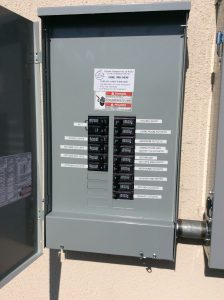 The electrical panel can be a confusing subject for many homeowners. That grey metal box determines how electricity flows in your home and the capacity of your electrical system. Here are some questions and answers to help you know your panel more and explore the mystery around it.
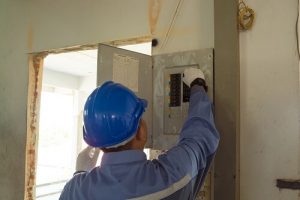 It may seem easy at first to find a local electrician near you, but you quickly realize how hard it really is once you begin your search. There are quick steps to follow to guide your search for the best electrician in Los Angeles. We have discussed each determining feature below.
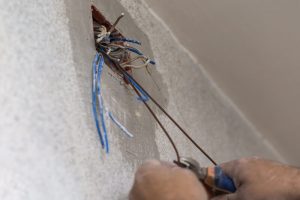 House rewiring is a tough project. It is disruptive and demanding of funds and electrical experience. The answer to if you need an electrician for a house rewire is yes.
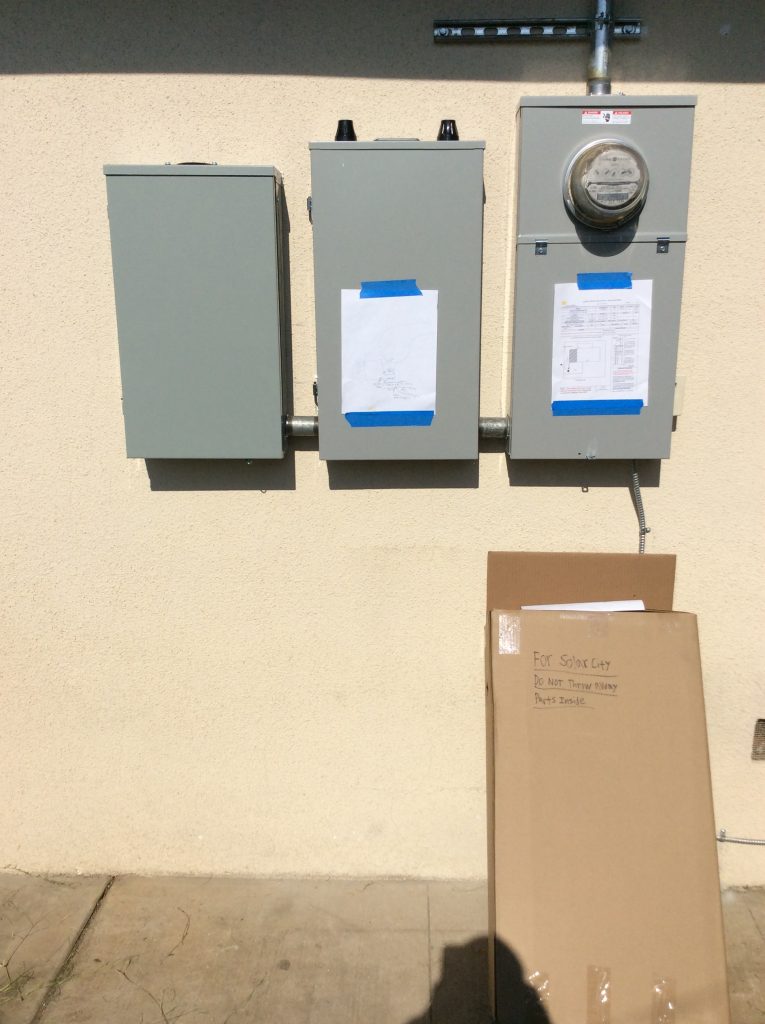 Your home’s electrical panel provides power to all electrical components of the home. But sometimes the electrical panel may need assistance and this is where a subpanel comes in.
 An electrical permit is exactly what it sounds like. It is obtaining permission from the appropriate authorities to perform electrical work. An electrical permit is required for a lot of electrical works and it is the first step towards an electrical service that conforms to safety codes and standards.
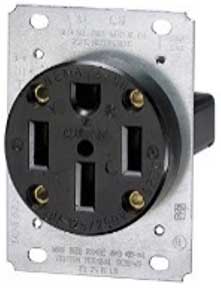 A 220-volt outlet is the most powerful outlet in the home. It is built for power-demanding appliances, like ovens, dryers, and more. You can identify 220-volt outlets as outlets that are larger and different-looking than others. They usually have either 3 prong or 4 prong holes.
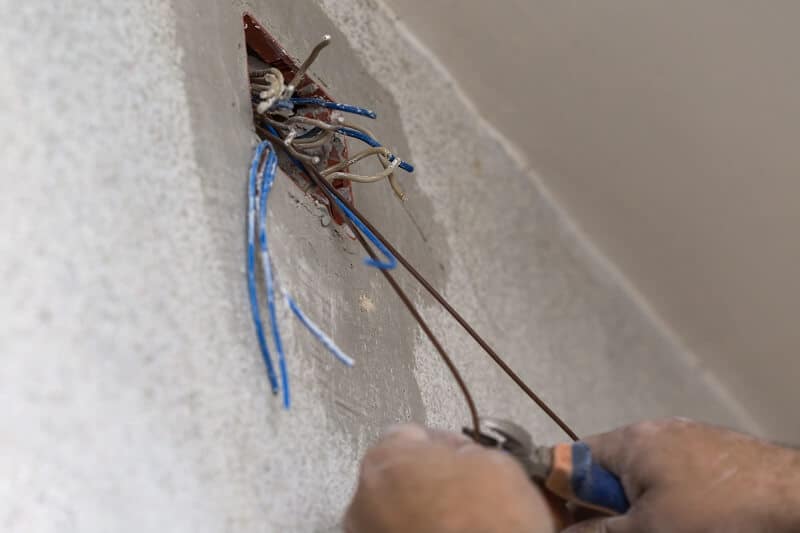 Deciding to
 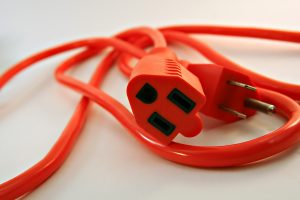 Getting power within the home is easy. You are already set up with outlets, cables, and extension cords. So, all you have to do when you need to put on the TV, use the microwave, or other appliance is plug in and switch on. However, when you need power outside, it’s different. Running power outside depends on a few factors starting from what you need power for, or rather the duration of use.