


 Overlamping is one of those words you might find strange as a homeowner. But it’s really just a term for describing a common electrical occurrence. Overlamping means fitting a lower-wattage fixture with a light bulb that has a much higher-wattage.
An example of overlamping is placing a 100-watt light bulb on a 60-watt fixture. The implication of this is that the wires connected to the fixture can melt and lead to an electrical fire.
The danger of overlamping
When it comes to electricity there are several do’s and don’ts that help to secure your electrical safety. Overlamping is one of those things you shouldn’t do. When the wiring and socket insulation overheats and melts, it increases the probability of electrical arcs. Electrical arcs are sparks that jump in the air from one wire to another. The electrical arcs, in turn, cause electrical discharge which finally leads to house fires. If you stop the fire from happening or pull out the bulb, the damage will still be done, and the entire setup will need a replacement.
How to find the recommended wattage
The recommended wattage on every light fixture shows the amount of power the fixture is designed to take. Modern fixtures often disclose this wattage. Some use NMB or NM indicated on the jacket of the wire. The letter B, in NMB, tells you that the cable is rated to handle the maximum temperature of 194 degrees Fahrenheit. While NM shows that the maximum temperature the cable is rated for is 140 degrees Fahrenheit. In simpler terms, NMB rated fixtures can accommodate higher wattage bulbs.
Older fixtures hardly indicate the recommended wattage. In this situation, it’s better to stick with the average 60-watt bulbs or even lower.
How can you fix overlamping
When overlamping occurs and you stop the implications of a fire early enough, shut off the power to that fixture or area of the home and call an electrician. Our electrical technicians at The Electric Connection will arrive on time and provide a quality replacement service.
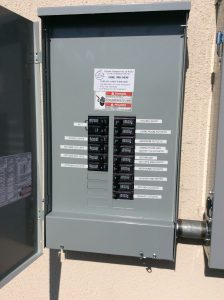 The electrical panel can be a confusing subject for many homeowners. That grey metal box determines how electricity flows in your home and the capacity of your electrical system. Here are some questions and answers to help you know your panel more and explore the mystery around it.
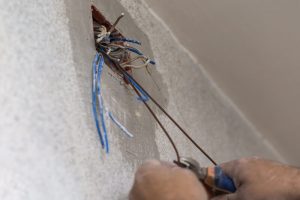 House rewiring is a tough project. It is disruptive and demanding of funds and electrical experience. The answer to if you need an electrician for a house rewire is yes.
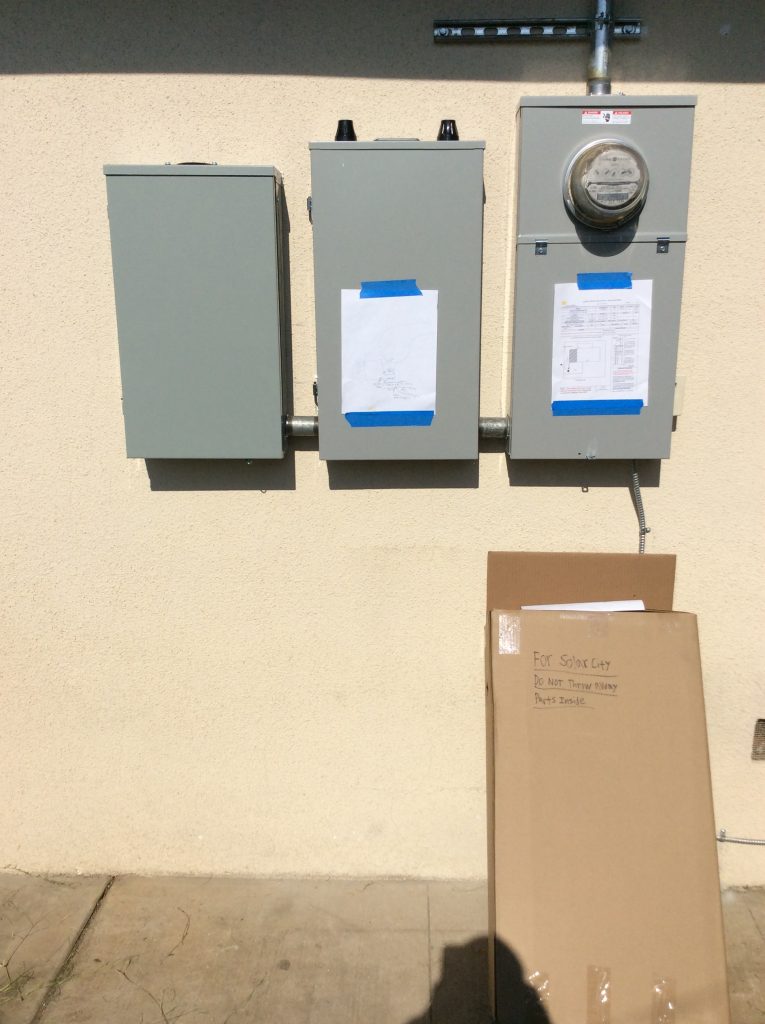 Your home’s electrical panel provides power to all electrical components of the home. But sometimes the electrical panel may need assistance and this is where a subpanel comes in.
 An electrical permit is exactly what it sounds like. It is obtaining permission from the appropriate authorities to perform electrical work. An electrical permit is required for a lot of electrical works and it is the first step towards an electrical service that conforms to safety codes and standards.
 Deciding to
  If you are planning to purchase an old home or you are already living in one, then chances are you may have seen
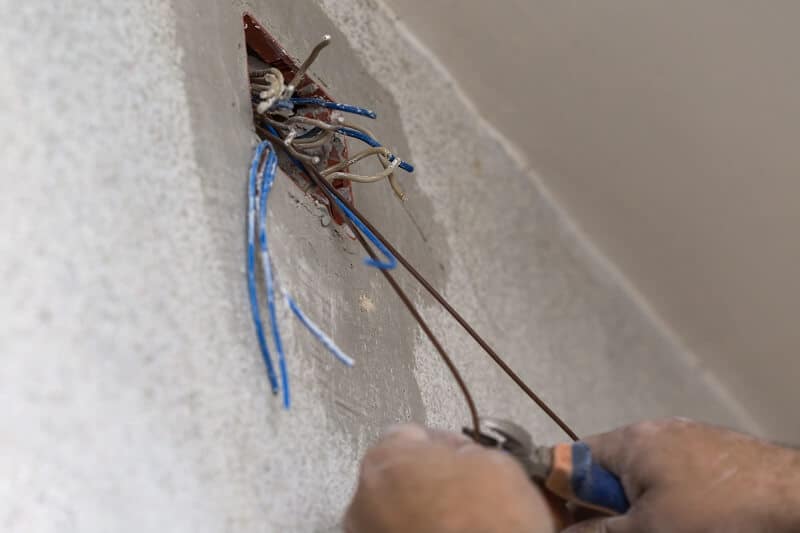
 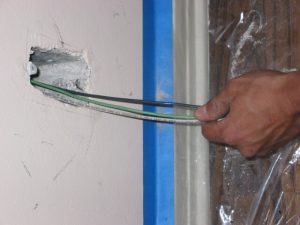 Wiring a home under construction or during a remodeling project is easy, mostly because the walls are accessible. The real difficulty comes when you are trying to pull a new wire through a wall – an already existing wall.
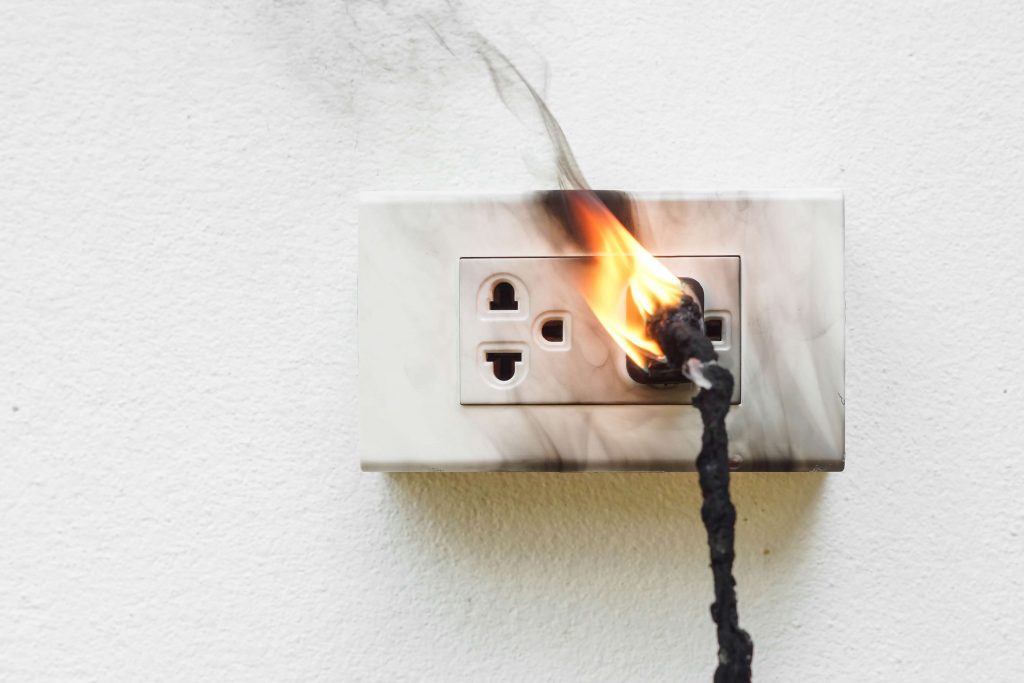 Electricity has been with us for decades. The industry continues to make new discoveries and update on former methods and as a homeowner, it might seem tasking to keep up. The good news is with every innovation comes safer, more efficient, and convenient electrical systems. You get to enjoy all the benefits still.